


커뮤니티
게시판 · 정비노하우
자동차, 오토바이, 트럭, 건설장비, 농기계, 보트, 전동모빌리티의 정비, 수리, 고장진단, 리빌드, 부품, 기술정보, 뉴스 및 정비사례
- 게시판
- 매거진
-
자동차포럼
-
Global Automotive Brand Forums
- ABARTH
- ACURA
- AITO
- ALFA ROMEO
- ASTON MARTIN
- AUDI
- AVATR
- ALPINE
- BAIC(Arcfox)
- BENTLEY
- BMW
- BUGATTI
- BUICK
- BYD
- BEIQI YINXIANG
- CUPRA
- CADILLAC
- CHANGAN
- CHERY
- CHEVROLET·GM DAEWOO
- CHRYSLER
- CITROËN·DS
- DAIHATSU
- DODGE
- DEEPAL
- DENZA
- DACIA
- DFSK
- DONGFENG
- EXEED
- FERRARI
- FIAT
- FORD
- FIREFLY
- FANGCHENGBAO
- GAC AION
- GEELY
- GENESIS
- GMC
- GREAT WALL
- HONDA
- HYUNDAI
- HUMMER
- HAVAL
- HONGGI
- ISUZU
- INFINITI
- INEOS
- IM MOTORS
- ICAR
- JEEP
- JAC
- JAECOO
- JAGUAR·LAND ROVER
- KIA
- KOENIGSEGG
- KG MOBILITY·SSANGYONG
- LAMBORGHINI
- LEXUS
- LOTUS
- LINCOLN
- LI AUTO
- LEAPMOTOR
- LYNK & CO
- LANCIA
- MASERATI
- MAYBACH
- MERCEDES-BENZ
- MAZDA
- MCLAREN
- MERCURY
- MG
- MG ROVER
- MINI
- MITSUOKA
- MITSUBISHI
- NISSAN
- NIO
- OLDSMOBILE
- OPEL
- OBODA
- ORA
- ONVO
- OMODA
- PAGANI
- PORSCHE
- PEUGEOT
- PROTON
- PONTIAC
- POLESTAR
- RENAULT
- RENAULT KOREA
- ROLLS-ROYCE
- ROEWE
- RAM
- RIVIAN
- SATURN
- SAAB
- SHINERAY
- SCION
- SUBARU
- SAIC(MG, IM Motors)
- SUZUKI
- SMART
- SERES
- SEAT
- SKODA
- TOYOTA
- TESLA
- TANK
- VOLVO
- VOLKSWAGEN
- VOYAH
- WULING
- XIAOMI AUTO
- XPENG
- YANGWANG
- ZEEKR
-
Global Automotive Brand Forums
- 상용차포럼
- 오토바이포럼
- 건설장비포럼
- 전동모빌리티포럼
- 해양포럼
- 농기계포럼
- 자전거포럼
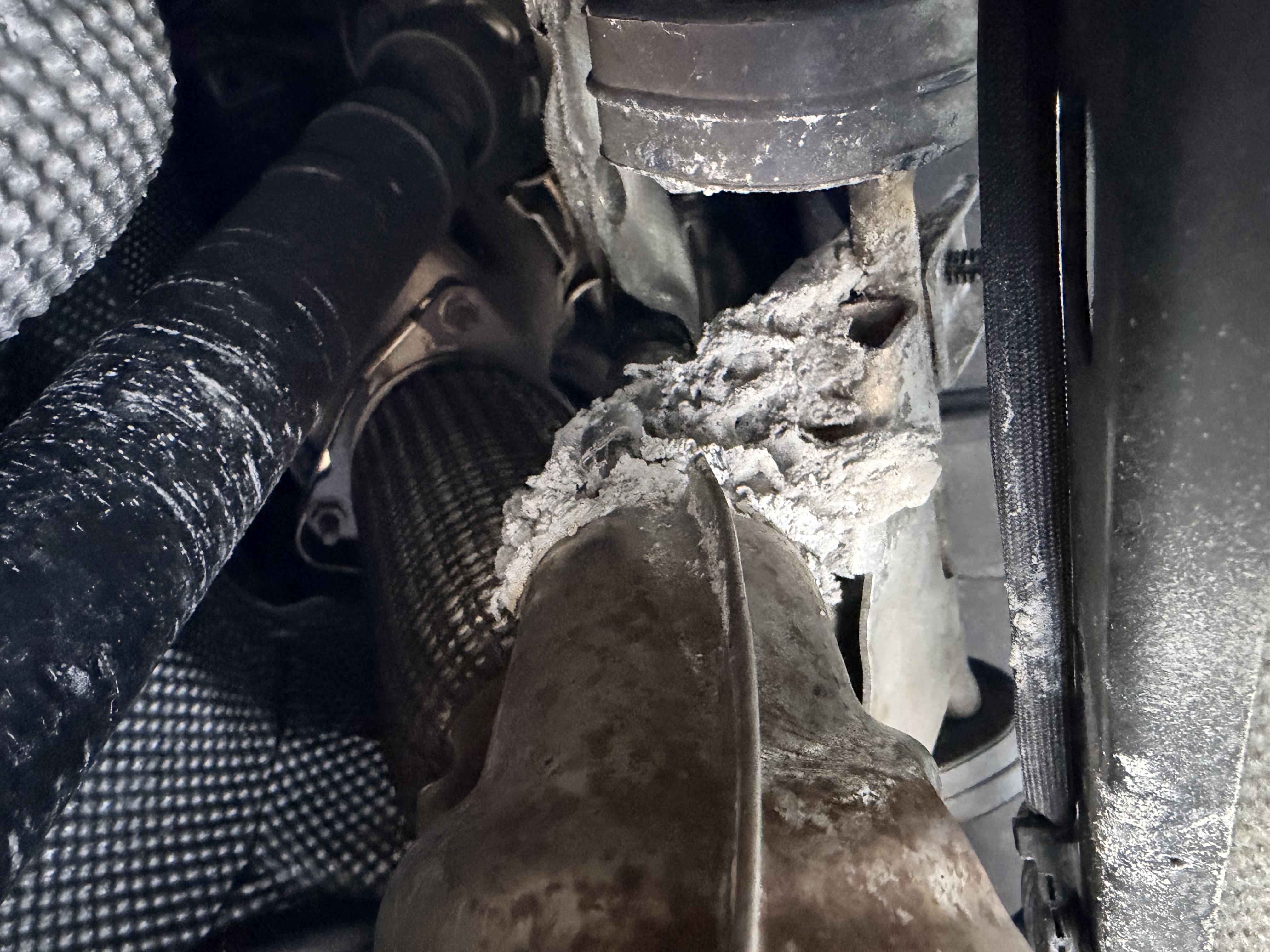
💧 Is Your AdBlue Running Out Too Quickly?
If your AdBlue level is dropping faster than usual, don’t assume it’s just normal consumption.
Start by checking the AdBlue supply lines and connections for leaks. When AdBlue leaks and is exposed to air, it leaves behind white crystalline deposits, making even small leaks much easier to spot.
Routine maintenance, such as an engine oil service or underbody inspection, is a great opportunity to inspect the AdBlue lines, pump, connectors, and injector for early signs of leakage.
Keep in mind that increased AdBlue consumption isn’t always caused by a leak. Factors such as:
- Frequent high-load driving
- Long highway trips
- Normal SCR system operation
can also increase AdBlue usage.
However, if you notice white crystal deposits, it’s a strong indication of an AdBlue leak. Addressing the issue early can help prevent damage to the SCR system and avoid more expensive repairs later.*
#AdBlue #SCR #Diesel #EmissionSystem #AdBlueLeak #DieselRepair #AutomotiveRepair #VehicleMaintenance #PreventiveMaintenance #Mechanic


